Aditya Hridaya Stotram – Lyrics, Meaning, and History
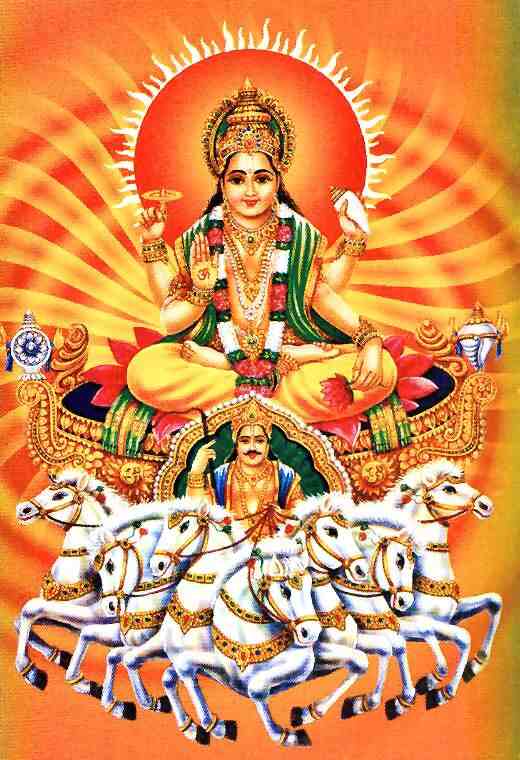
Aditya Hridaya Stotram is one of the most revered and powerful hymns in the Vedic tradition, found in the Yuddha Kanda (Book of War) of Valmiki’s Ramayana. Dedicated to Lord Surya (the Sun God), this anthem of victory was imparted to Lord Rama by the great sage Agastya during a critical moment in the battle against the demon king Ravana.
Artist/Author: Sage Agastya (Valmiki Ramayana)
Deity: Lord Surya (Aditya)
Source: Yuddha Kanda, Canto 107
Aditya Hridaya Stotram Lyrics
Original Lyrics (Sanskrit/Devanagari)
ततो युद्धपरिश्रान्तं समरे चिन्तया स्थितम् ।
रावणं चाग्रतो दृष्ट्वा युद्धाय समुपस्थितम् ॥ १ ॥
दैवतैश्च समागम्य द्रष्टुमभ्यागतो रणम् ।
उपागम्याब्रवीद्राममगस्त्यो भगवान् ऋषिः ॥ २ ॥
राम राम महाबाहो शृणु गुह्यं सनातनम् ।
येन सर्वानरीन् वत्स समरे विजयिष्यसि ॥ ३ ॥
आदित्यहृदयं पुण्यं सर्वशत्रुविनाशनम् ।
जयावहं जपेन्नित्यमक्षय्यं परमं शिवम् ॥ ४ ॥
सर्वमङ्गलमाङ्गल्यं सर्वपापप्रणाशनम् ।
चिन्ताशोकप्रशमनमायुर्वर्धनमुत्तमम् ॥ ५ ॥
रश्मिमन्तं समुद्यन्तं देवासुरनमस्कृतम् ।
पूजयस्व विवस्वन्तं भास्करं भुवनेश्वरम् ॥ ६ ॥
सर्वदेवात्मको ह्येष तेजस्वी रश्मिभावनः ।
एष देवासुरगणाँल्लोकान् पाति गभस्तिभिः ॥ ७ ॥
एष ब्रह्मा च विष्णुश्च शिवः स्कन्दः प्रजापतिः ।
महेन्द्रो धनदः कालो यमः सोमो ह्यपां पतिः ॥ ८ ॥
पितरो वसवः साध्या ह्यश्विनौ मरुतो मनुः ।
वायुर्वह्निः प्रजाप्राण ऋतुकर्ता प्रभाकरः ॥ ९ ॥
आदित्यः सविता सूर्यः खगः पूषा गभस्तिमान् ।
सुवर्णसदृशो भानुर्हिरण्यरेता दिवाकरः ॥ १० ॥
हरिदश्वः सहस्रार्चिः सप्तसप्तिर्मरीचिमान् ।
तिमिरोन्मथनः शम्भुस्त्वष्टा मार्ताण्ड अंशुमान् ॥ ११ ॥
हिरण्यगर्भः शिशिरस्तपनो भास्करो रविः ।
अग्निगर्भोऽदितेः पुत्रः शङ्खः शिशिरनाशनः ॥ १२ ॥
व्योमनाथस्तमोभेदी ऋग्यजुःसामपारगः ।
घनवृष्टिरपां मित्रो विन्ध्यवीथीप्लवङ्गमः ॥ १३ ॥
आतपी मण्डली मृत्युः पिङ्गलः सर्वतापनः ।
कविर्विश्वो महातेजा रक्तः सर्वभवोद्भवः ॥ १४ ॥
नक्षत्रग्रहताराणामधिपो विश्वभावनः ।
तेजसामपि तेजस्वी द्वादशात्मन्नमोऽस्तु ते ॥ १५ ॥
नमः पूर्वाय गिरये पश्चिमायाद्रये नमः ।
ज्योतिर्गणानां पतये दिनाधिपतये नमः ॥ १६ ॥
जयाय जयभद्राय हर्यश्वाय नमो नमः ।
नमो नमः सहस्रांशो आदित्याय नमो नमः ॥ १७ ॥
नम उग्राय वीराय सारङ्गाय नमो नमः ।
नमः पद्मप्रबोधाय मार्ताण्डाय नमो नमः ॥ १८ ॥
ब्रह्मेशानाच्युतेशाय सूर्यायादित्यवर्चसे ।
भास्वते सर्वभक्षाय रौद्राय वपुषे नमः ॥ १९ ॥
तमोघ्नाय हिमघ्नाय शत्रुघ्नायामितात्मने ।
कृतघ्नघ्नाय देवाय ज्योतिषां पतये नमः ॥ २० ॥
तप्तचामीकराभाय वह्नये विश्वकर्मणे ।
नमस्तमोऽभिनिघ्नाय रुचये लोकसाक्षिणे ॥ २१ ॥
नाशयत्येष वै भूतं तदेव सृजति प्रभुः ।
पायत्येष तपत्येष वर्षत्येष गभस्तिभिः ॥ २२ ॥
एष सुप्तेषु जागर्ति भूतेषु परिनिष्ठितः ।
एष एवाग्निहोत्रं च फलं चैवाग्निहोत्रिणाम् ॥ २३ ॥
वेदाश्च क्रतवश्चैव क्रतूनां फलमेव च ।
यानि कृत्यानि लोकेषु सर्व एष रविः प्रभुः ॥ २४ ॥
एनमापत्सु कृच्छ्रेषु कान्तारेषु भयेषु च ।
कीर्तयन् पुरुषः कश्चिन्नावसीदति राघव ॥ २५ ॥
पूजयस्वैनमेकाग्रो देवदेवं जगत्पतिम् ।
एतत्त्रिगुणितं जप्त्वा युद्धेषु विजयिष्यसि ॥ २६ ॥
अस्मिन् क्षणे महाबाहो रावणं त्वं वधिष्यसि ।
एवमुक्त्वा तदागस्त्यो जगाम च यथागतम् ॥ २७ ॥
एतच्छ्रुत्वा महातेजा नष्टशोकोऽभवत्तदा ।
धारयामास सुप्रीतो राघवः प्रयतात्मवान् ॥ २८ ॥
आदित्यं प्रेक्ष्य जप्त्वा तु परं हर्षमवाप्तवान् ।
त्रिराचम्य शुचिर्भूत्वा धनुरादाय वीर्यवान् ॥ २९ ॥
रावणं प्रेक्ष्य हृष्टात्मा युद्धाय समुपागमत् ।
सर्वयत्नेन महता वधे तस्य धृतोऽभवत् ॥ ३० ॥
अथ रविरवदन्निरीक्ष्य रामं
मुदितमनाः परमं प्रहृष्यमाणः ।
निशिचरपतिसंक्षयं विदित्वा
सुरगणमध्यगतो वचस्त्वरेति ॥ ३१ ॥
Romanized Lyrics (Transliteration)
tato yuddhapariśrāntaṃ samare cintayā sthitam |
rāvaṇaṃ cāgrato dṛṣṭvā yuddhāya samupasthitam || 1 ||
daivataiśca samāgamya draṣṭumabhyāgato raṇam |
upāgamyābravīdrāmamagastyo bhagavān ṛṣiḥ || 2 ||
rāma rāma mahābāho śṛṇu guhyaṃ sanātanam |
yena sarvānarīn vatsa samare vijayiṣyasi || 3 ||
ādityahṛdayaṃ puṇyaṃ sarvaśatruvināśanam |
jayāvahaṃ japennityamakṣayyaṃ paramaṃ śivam || 4 ||
sarvamaṅgalamāṅgalyaṃ sarvapāpapraṇāśanam |
cintāśokapraśamanamāyurvardhanamuttamam || 5 ||
raśmimantaṃ samudyantaṃ devāsuranamaskṛtam |
pūjayasva vivasvantaṃ bhāskaraṃ bhuvaneśvaram || 6 ||
sarvadevātmako hyeṣa tejasvī raśmibhāvanaḥ |
eṣa devāsuragaṇāṃllokān pāti gabhastibhiḥ || 7 ||
eṣa brahmā ca viṣṇuśca śivaḥ skandaḥ prajāpatiḥ |
mahendro dhanadaḥ kālo yamaḥ somo hyapāṃ patiḥ || 8 ||
pitaro vasavaḥ sādhyā hyaśvinau maruto manuḥ |
vāyurvahniḥ prajāprāṇa ṛtukartā prabhākaraḥ || 9 ||
ādityaḥ savitā sūryaḥ khagaḥ pūṣā gabhastimān |
suvarṇasadṛśo bhānurhiraṇyaretā divākaraḥ || 10 ||
haridaśvaḥ sahasrārciḥ saptasaptirmarīcimān |
timironmathanaḥ śambhustvaṣṭā mārtāṇḍa aṃśumān || 11 ||
hiraṇyagarbhaḥ śiśirastapano bhāskaro raviḥ |
agnigarbho’diteḥ putraḥ śaṅkhaḥ śiśiranāśanaḥ || 12 ||
vyomanāthastamobhedī ṛgyajuḥsāmapāragaḥ |
ghanavṛṣṭirapāṃ mitro vindhyavīthīplavaṅgamaḥ || 13 ||
ātapī maṇḍalī mṛtyuḥ piṅgalaḥ sarvatāpanaḥ |
kavirviśvo mahātejā raktaḥ sarvabhavodbhavaḥ || 14 ||
nakṣatragrahatārāṇāmadhipo viśvabhāvanaḥ |
tejasāmapi tejasvī dvādaśātmannamo’stu te || 15 ||
namaḥ pūrvāya giraye paścimāyādraye namaḥ |
jyotirgaṇānāṃ pataye dinādhipataye namaḥ || 16 ||
jayāya jayabhadrāya haryaśvāya namo namaḥ |
namo namaḥ sahasrāṃśo ādityāya namo namaḥ || 17 ||
nama ugrāya vīrāya sāraṅgāya namo namaḥ |
namaḥ padmaprabodhāya mārtāṇḍāya namo namaḥ || 18 ||
brahmeśānācyuteśāya sūryāyādityavarchase |
bhāsvate sarvabhakṣāya raudrāya vapuṣe namaḥ || 19 ||
tamoghnāya himaghnāya śatrughnāyāmitātmane |
kṛtaghnaghnāya devāya jyotiṣāṃ pataye namaḥ || 20 ||
taptacāmīkarābhāya vahnaye viśvakarmaṇe |
namastamo’bhinighnāya rucaye lokasākṣiṇe || 21 ||
nāśayatyeṣa vai bhūtaṃ tadeva sṛjati prabhuḥ |
pāyatyeṣa tapatyeṣa varṣatyeṣa gabhastibhiḥ || 22 ||
eṣa supteṣu jāgarti bhūteṣu pariniṣṭhitaḥ |
eṣa evāgnihotraṃ ca phalaṃ caivāgnihotriṇām || 23 ||
vedāśca kratavaścaiva kratūnāṃ phalameva ca |
yāni kṛtyāni lokeṣu sarva eṣa raviḥ prabhuḥ || 24 ||
enamāpatsu kṛcchreṣu kāntāreṣu bhayeषु ca |
kīrtayan puruṣaḥ kaścinnāvasīdati rāghava || 25 ||
pūjayasvainamekāgro devadevaṃ jagatpatim |
etattriguṇitaṃ japtvā yuddheṣu vijayiṣyasi || 26 ||
asmin kṣaṇe mahābāho rāvaṇaṃ tvaṃ vadhiṣyasi |
evamuktvā tadāgastyo jagāma ca yathāgatam || 27 ||
etacchrutvā mahātejā naṣṭaśoko’bhavattadā |
dhārayāmāsa suprīto rāghavaḥ prayatātmavān || 28 ||
ādityaṃ prekṣya japtvā tu paraṃ harṣamavāptavān |
trirācamya śucirbhūtvā dhanurādāya vīryavān || 29 ||
rāvaṇaṃ prekṣya hṛṣṭātmā yuddhāya samupāgamat |
sarvayatnena mahatā vadhe tasya dhṛto’bhavat || 30 ||
atha raviravadannirīkṣya rāmaṃ
muditamanāḥ paramaṃ prahṛṣyamāṇaḥ |
niśicarapatisaṃkṣayaṃ viditvā
suragaṇamadhyagato vacastvareti || 31 ||
History and Significance
The Aditya Hridaya Stotram originates from the 107th Canto (Sarga) of the Yuddha Kanda in Valmiki’s Ramayana. The context is dramatic: the war between Rama and Ravana has dragged on, and Rama, having fought valiantly, is physically exhausted and deep in thought (‘Chintaya sthitam’). It is at this vulnerable moment that Sage Agastya, a witness to the battle along with the Devas, steps onto the battlefield. He teaches Rama this hymn, which is described as ‘Sanatanam’ (Eternal) and ‘Guhyam’ (Secret). The history of this hymn underscores the Vedic belief that external victory requires internal alignment with cosmic forces.
Meaning Analysis
The hymn is a masterpiece of devotional poetry and philosophy. It can be analyzed in four key sections:
- The Invitation (Verses 1-5): Agastya approaches Rama and explains the benefits of the hymn. He calls it the ‘destroyer of all enemies’ and ‘supreme bliss’. This section prepares the mind of the listener (Rama) to receive the knowledge.
- The Cosmic Identification (Verses 6-15): Here, the Sun God is identified not merely as a star, but as the Supreme Reality. He is equated with Brahma (Creator), Vishnu (Preserver), and Shiva (Destroyer). He is described as the ‘Golden Womb’ (Hiranyagarbha) and the soul of all gods (Sarva Deva Atmako). This reflects the Advaita (non-dual) philosophy where all forms of divinity merge into one light.
- The Salutations (Verses 16-21): The tone shifts to rhythmic reverence. The devotee bows to the Sun in the East, West, South, and North. He is saluted as the ‘Terrible One’ (Ugra), the ‘Compassionate One’, and the ‘Witness of the World’ (Loka Sakshine). This section is meant for deep meditation.
- The Result (Phalasruti) (Verses 25-31): Agastya promises that reciting this hymn three times guarantees victory. Rama, obeying the sage, sips water three times (Achamanam), looks at the sun, and recites the hymn. The result is instantaneous: his sorrow vanishes, his strength returns, and he prepares to slay Ravana. The hymn ends with the Sun God himself cheering Rama on.
Trivia
- The Power of Three: Lord Rama chanted this hymn exactly three times (‘Etat trigunitam japtva’) before taking up his bow to deliver the final blow to Ravana.
- Divine Encouragement: The very last verse is unique because it describes Surya (the Sun God) himself speaking. Standing amidst the Devas, he looks at Rama with great delight and says “Tvareti!” meaning “Hurry up!” or “Be quick!”—signaling that the time for Ravana’s end has come.
- Agastya’s Role: Sage Agastya is a pivotal figure in the Ramayana; he not only gave Rama the Aditya Hridaya Stotram but earlier in the epic, he also gifted Rama the divine bow of Vishnu and the inexhaustible quivers that were crucial for the war.
- Health Benefits: Beyond victory in battle, this stotram is traditionally believed to cure heart diseases and eye ailments, and to bring prosperity and long life.